
Building an AI-First Creative Workflow: A Practical Guide
The most productive creative teams aren't just adding AI tools—they're fundamentally rethinking how they work. Here's the blueprint.

Adding AI tools to an existing workflow is like putting a jet engine on a horse-drawn carriage. You might go faster, but you're not realizing the technology's potential. To truly benefit from AI, you need to redesign your workflow from the ground up.
The Old Model is Broken
Traditional creative workflows were designed around scarcity. Creative talent is expensive. Production takes time. So we developed processes that carefully gate every stage—extensive briefing, multiple rounds of review, long approval chains—to ensure nothing is wasted.
AI flips this model. When creation is fast and cheap, the bottleneck shifts from production to decision-making. The new challenge isn't making content—it's deciding what content to make and evaluating what you've made.

The AI-First Workflow Framework
Phase 1: Strategic Input
Every project starts with clear strategic direction. What are we trying to achieve? Who are we talking to? What makes this campaign different? This phase requires human judgment and can't be automated. But it should be faster and more focused than traditional briefing processes.
The key shift: instead of detailed specifications for every deliverable, focus on articulating the strategic intent. Let AI handle the execution details.
Phase 2: Rapid Exploration
This is where AI shines. Generate dozens or hundreds of concepts quickly. Explore wildly different directions. Test variations you never would have had time to create manually. The goal is to see possibilities, not produce final assets.
Encourage your team to think expansively during this phase. Bad ideas are fine—they're cheap to generate and easy to discard. The magic often comes from unexpected combinations and directions you wouldn't have considered otherwise.
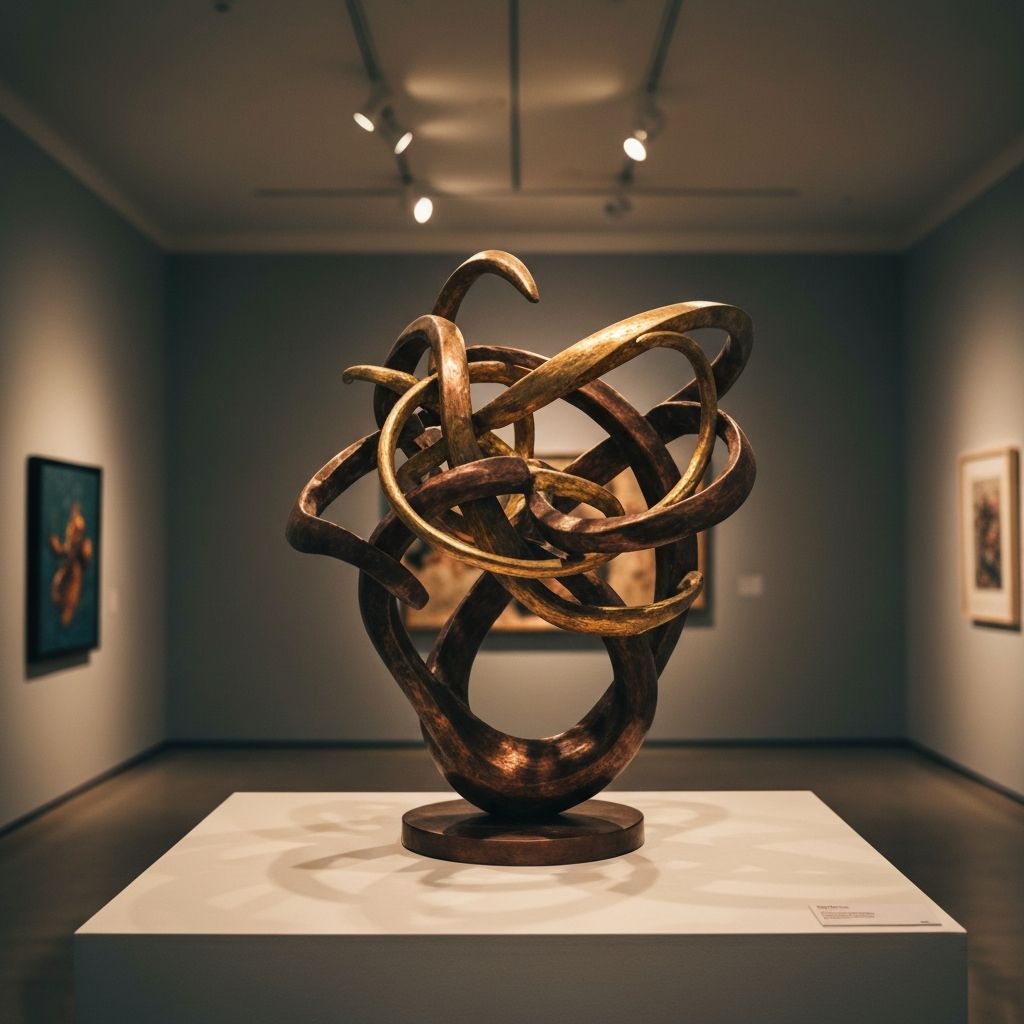
Phase 3: Human Curation
From the many options generated, humans select the most promising directions. This is where taste, brand knowledge, and strategic judgment come in. You're not choosing final assets yet—you're identifying directions worth developing further.
Build a curation process that's fast but thoughtful. Quick initial passes to eliminate obvious misses, then deeper evaluation of the remaining options. Don't let this phase become a bottleneck.
Phase 4: Refinement and Production
Once you've identified winning directions, use AI to refine and produce final assets. This might involve generating variations, adapting for different formats and platforms, or enhancing quality. The heavy lifting is still done by AI, but guided by the strategic choices made in the previous phase.
Phase 5: Testing and Optimization
Deploy content and gather performance data. Use those insights to inform the next round of creation. In an AI-first workflow, this feedback loop can be much tighter—you can generate new variations based on performance data in hours rather than weeks.
Restructuring Your Team
AI-first workflows require different roles and skills than traditional creative teams. You need fewer pure production specialists and more people who can think strategically, curate effectively, and work fluidly with AI tools.
Key roles in an AI-first team include: Creative Strategists who set direction, AI Operators who work directly with generation tools, Curators who evaluate and select outputs, and Optimizers who analyze performance and feed insights back into the process.

Common Pitfalls to Avoid
The most common mistake is treating AI as a faster version of existing processes. If you're still writing detailed briefs, getting multiple rounds of approvals, and producing one asset at a time, you're not getting the full benefit of the technology.
Another pitfall is losing the human element entirely. AI can produce infinite content, but it can't tell you what content you should produce. Maintain strong human oversight of strategy and curation, even as you automate production.
Getting Started
Don't try to transform everything at once. Pick one project or campaign type and redesign the workflow specifically for that use case. Learn what works, adjust what doesn't, then expand to other areas.
The teams that master AI-first workflows will have an enormous competitive advantage. They'll produce more content, test more ideas, and respond faster to market changes. The time to start building these capabilities is now.